Education, skills & training partnerships
Connecting education, skills, innovation and employment
Creating opportunities to learn, develop and progress.
We believe education and skills development should create meaningful pathways into employment, enterprise and wider opportunities.
Through CHOICES, we work to develop partnerships with schools, colleges, universities, independent training providers, employers and specialist organisations to deliver practical learning that responds to the needs of young people and the changing demands of the labour market.
Our approach brings together education, vocational training, personal development, enterprise and employer engagement to help individuals develop the knowledge, confidence and practical skills needed to progress.
Our pathway
- 01Education
- 02Skills
- 03Training
- 04Experience
- 05Enterprise
- 06Employment
1. Our education and training approach
Individuals have different abilities, aspirations, learning styles and starting points. Our approach combines structured learning with practical activities, workplace exposure and individual support.
Through partnerships with education and training providers, CHOICES aims to provide access to recognised qualifications, vocational training and industry-relevant learning.
Our priorities
- +Improving access to education and training
- +Developing practical and transferable skills
- +Supporting young people who are NEET or at risk of becoming NEET
- +Connecting classroom learning with real employment opportunities
- +Improving confidence, independence and workplace readiness
- +Developing enterprise and entrepreneurial thinking
- +Creating progression routes into further education, apprenticeships and employment
2. CHOICES training pathways
Training opportunities will be developed in response to participant needs, programme objectives and local employer demand.
Health & Safety
- +Level 1 Health and Safety
- +Workplace health and safety awareness
- +Risk awareness and safe working practices
Food Safety & Catering
- +Level 2 Food Safety
- +Food hygiene and food handling
- +Safe food preparation
- +Catering operations
Customer Service & Retail
- +Customer service
- +Retail operations
- +Merchandising and stock awareness
- +Sales and customer engagement
Hospitality & Events
- +Hospitality operations
- +Food service
- +Front-of-house skills
- +Event support and operations
Employability & Career Development
- +CV development
- +Interview preparation
- +Job applications
- +Workplace expectations
- +Communication and professional conduct
Digital Skills
- +Digital literacy
- +Online communication
- +Digital workplace tools
- +Introduction to digital enterprise
Enterprise & Business Awareness
- +Introduction to entrepreneurship
- +Business planning
- +Product development
- +Marketing and branding
- +Understanding costs and pricing
Personal Development & Leadership
- +Teamwork
- +Leadership
- +Problem-solving
- +Confidence building
- +Decision-making
Qualifications will be delivered through appropriately approved and qualified training providers, with suitable assessment and certification arrangements.
3. Education partnerships
Connecting schools, colleges and industry
We seek collaborative relationships with educational institutions to connect learning with practical opportunities. We want young people to apply what they learn in educational settings to real-world challenges.
- +Vocational learning programmes
- +Careers and employability workshops
- +Enterprise education
- +Practical product development
- +Industry engagement
- +Work experience
- +Mentoring
- +Skills workshops
- +Progression into employment and further education
4. Proposed education & innovation partnerships
Schools, colleges and Design and Technology students
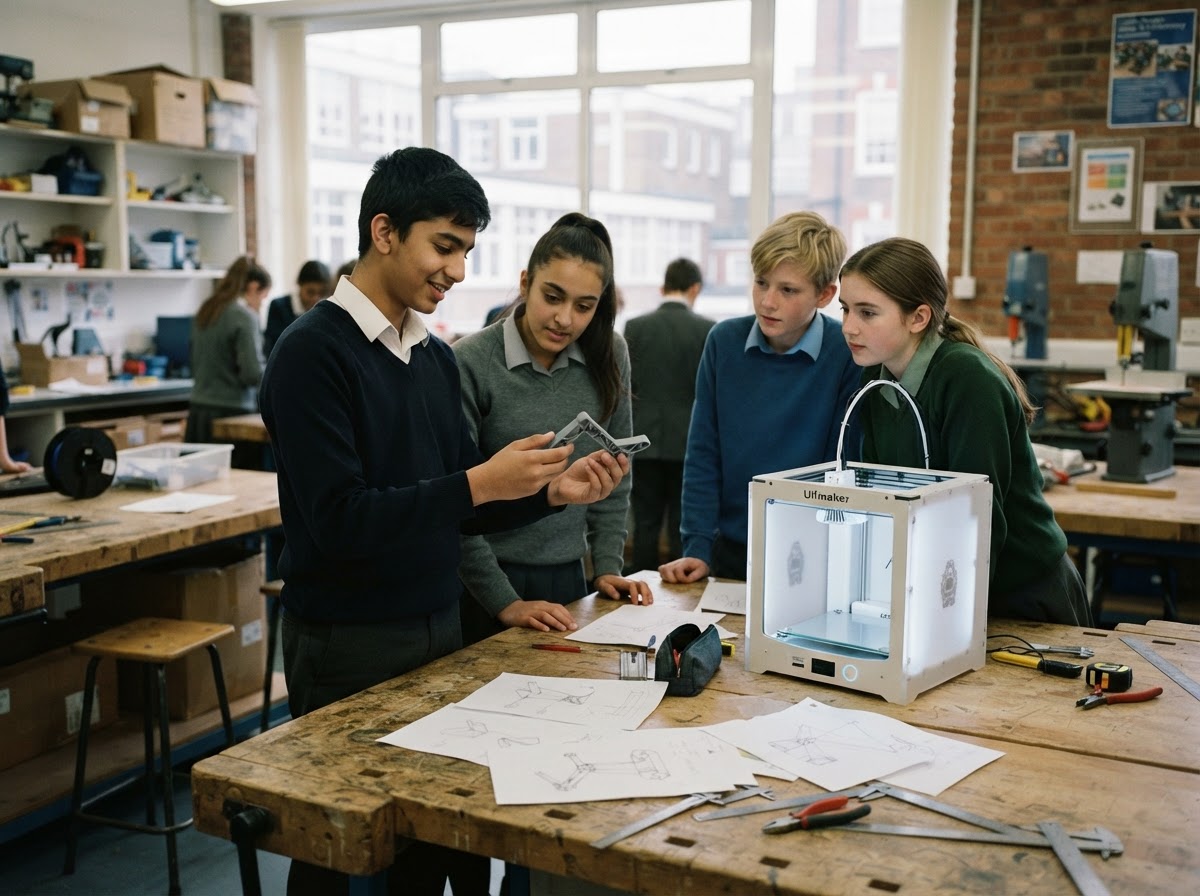
We see potential to explore collaboration with schools, colleges and their Design and Technology students. The proposed partnership would connect education, design, product development and social enterprise through the Goodness Together initiative.
- +Student-led product design
- +Packaging and branding development
- +Product innovation
- +3D printing and prototyping
- +Sustainable product development
- +Enterprise and business awareness
- +Understanding retail markets
- +Developing products for potential commercial opportunities
The objective is a practical environment where students can explore how ideas move from design and development into products, markets and enterprise. Any collaboration would be subject to agreement with the school and relevant partners.
Goodness Together
A proposed social enterprise and product development initiative connecting young people, education, retail and community benefit. It aims to provide a practical enterprise setting where young people can explore product design, branding, manufacturing, retail and commercial development.
The wider ambition is to connect student innovation with potential retail partnerships, subject to commercial and supplier approval.
5. Hydroponics, sustainability & food innovation
We are exploring a hydroponics and controlled-environment growing initiative as an additional CHOICES innovation pathway, connecting education, science, technology, food production and enterprise.
Explore the hydroponics concept6. Employer-led training & industry partnerships
Learning what employers need
Training should be connected to genuine employment opportunities. We aim to work with employers to understand recruitment needs, identify skills gaps and develop training that prepares participants for real working environments.
- +Employer-led workshops
- +Industry presentations
- +Workplace visits
- +Mock interviews
- +Speed interviews
- +Work experience placements
- +Employer feedback
- +Recruitment opportunities
- +Apprenticeship and employment pathways
Our aim is to bring employers into the programme from the beginning rather than waiting until participants have completed their training.
7. Inclusion, SEND & equal opportunity
Creating opportunities for every learner
CHOICES is designed to be accessible to young people with different starting points, abilities, circumstances and support needs. Traditional education and employment pathways do not work equally well for everyone.
Some young people experience barriers associated with additional learning needs, SEND, social disadvantage, low confidence, exclusion, interrupted education or limited access to opportunities.